Who Are the Hazara? Everything You Need to Know
The Hazara are one of the world's oldest and most distinct peoples - an ethnolinguistic group indigenous to the mountainous heart of Afghanistan, with a history stretching back at least a millennium and communities now spread across six continents. They number between 10 and 12 million globally. They have survived genocidal campaigns, centuries of subjugation, and the systematic erasure of their culture and heritage. And they are still here.
This is who they are.
Who Are the Hazara?
The Hazara are an ethnolinguistic group defined by three interlocking identities: a distinct physical appearance with Central Asian features, a language called Hazaragi, and a predominantly Shia Muslim religious identity.
Their homeland is Hazarajat - a rugged highland region in central Afghanistan encompassing the provinces of Bamiyan, Daykundi, Ghazni, Uruzgan, and parts of neighboring provinces. For centuries, this mountain fortress was effectively self-governing, a patchwork of tribal and clan structures that held off central Afghan authority.
Origins are contested, but the scholarly consensus points to mixed Mongolic, Turkic, and Iranic ancestry. The most widely cited theory holds that Hazaras descend from Mongol soldiers and settlers who remained in the region after the 13th-century campaigns of Genghis Khan, with subsequent intermarriage with Turkic and Iranic populations producing a distinct ethnicity over centuries. Genetic analysis and the Mongolian loanwords embedded in their language both support this mixed ancestry - though historian Sayed Askar Mousavi cautions that no primary source confirms a single deliberate settlement order. The picture is one of gradual ethnogenesis rather than a single founding moment.
Population is difficult to pin down with precision, and that uncertainty is itself a story. No reliable census has been conducted in Afghanistan in decades. Population figures have been politically contested and suppressed. Current estimates range from roughly 9% to 25% of Afghanistan's population of 40 million - a spread of several million people. Most credible mid-range assessments place the number at 8 to 10 million within Afghanistan. Globally, Hazaras outside Afghanistan add another 2 to 4 million, bringing the worldwide total to an estimated 10 to 12 million. The vagueness of these numbers reflects not a lack of people, but a long history of institutional neglect.
Religion: The overwhelming majority of Hazaras are Twelver Shia Muslims - the branch of Islam that holds that Ali, the Prophet Muhammad's cousin and son-in-law, was his rightful successor. This distinguishes them from the Sunni majority in Afghanistan, and it has been the primary theological pretext used throughout history to brand them heretics, justify persecution, and fuel sectarian violence. Most scholars date the Hazara conversion to Shia Islam to the early 16th century, under the influence of the Safavid dynasty. The intersection of ethnic minority and religious minority status has placed Hazaras at a structural disadvantage throughout Afghan history.
A Homeland in the Heart of Afghanistan
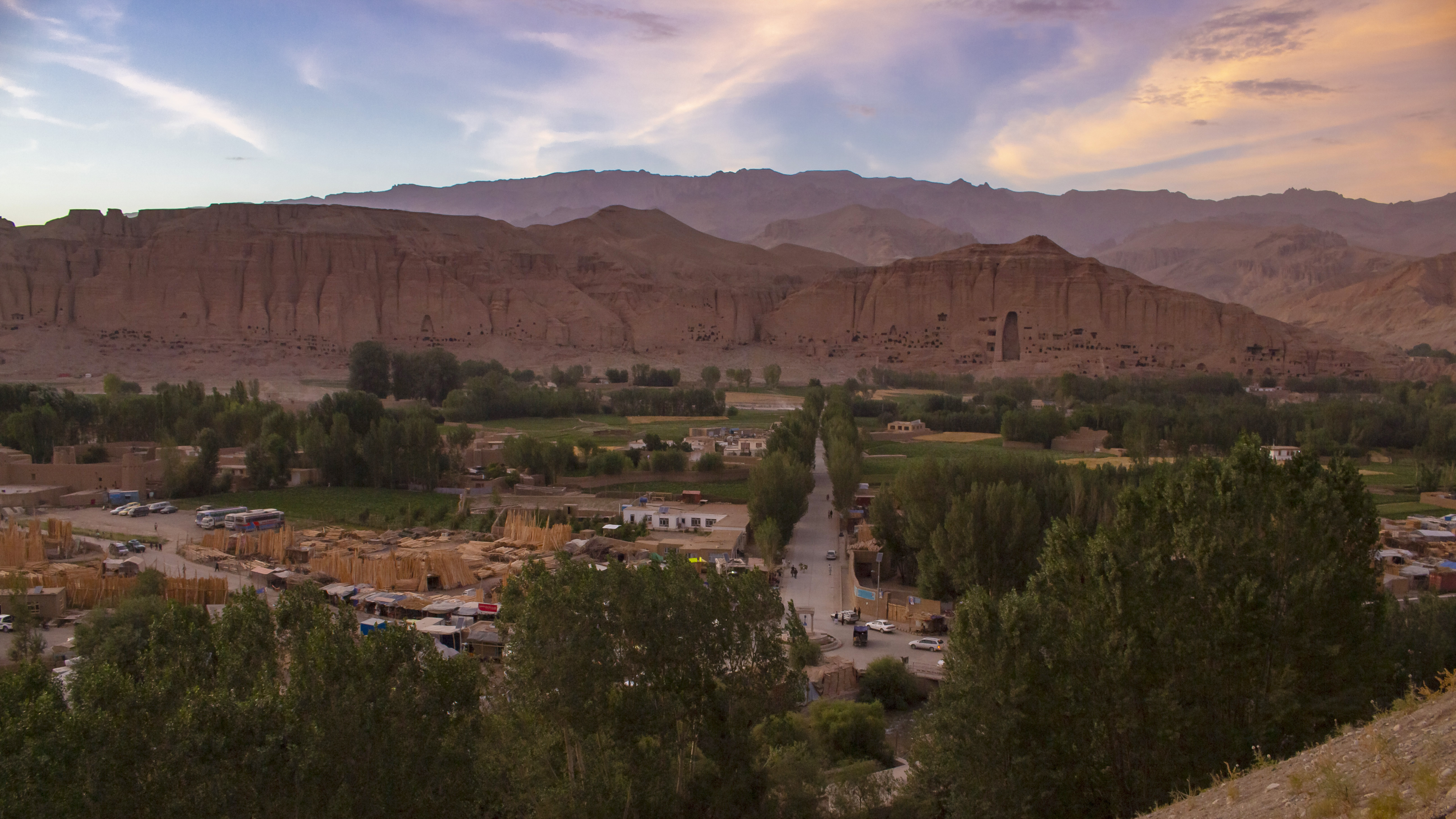
Hazarajat sits at the geographical center of Afghanistan, a land of high mountain passes, deep river valleys, and starkly beautiful plateaus. At its heart lies Band-e-Amir - a chain of six brilliant blue lakes formed by natural travertine dams at elevations above 2,900 meters. Band-e-Amir became Afghanistan's first national park in 2009 and is one of the most extraordinary natural landscapes in Central Asia.
The most famous site in Hazarajat - and one of the most famous archaeological monuments in the world - was the Buddhas of Bamiyan: two colossal statues, 115 and 174 feet tall, carved directly into the sandstone cliffs of the Bamiyan Valley in the 6th century CE. The Buddhas predated the Hazara ethnic identity, carved by Buddhist monks centuries before the Hazara people took shape. But over generations, they were absorbed into Hazara culture, mythology, and daily life. In Hazara folklore, the two statues are Salsal and Shahmama - star-crossed lovers frozen in stone. Their destruction by the Taliban in March 2001, after 25 days of systematic demolition, was felt across the world as a crime against human heritage. UNESCO designated the Bamiyan Valley a World Heritage Site in 2003. The empty niches remain.
The physical isolation of Hazarajat - which made it difficult to conquer - also made it difficult to develop. The region remains among Afghanistan's most underserved in infrastructure, healthcare, and historical investment. That isolation has also been Hazarajat's shield.
A History of Survival
Before the 19th century, Hazaras were the largest ethnic group in what is now Afghanistan - estimated at roughly two-thirds of the total population. They maintained semi-autonomous governance in Hazarajat, paying taxes to central governments in exchange for being left alone. That arrangement ended with catastrophic violence.
The Genocide Under the Iron Emir (1880-1901)
The defining catastrophe of Hazara history is the series of campaigns launched by Abdur Rahman Khan - the "Iron Emir," who ruled Afghanistan from 1880 to 1901 with British backing - to eliminate Hazara autonomy entirely.
Abdur Rahman framed these campaigns as religious jihad. Royal decrees instructed clerics to announce after Friday prayers that Hazaras were not Muslims but unbelievers who must be exterminated or enslaved. This gave theological sanction to a political war of conquest.
Three major uprisings - in 1888, 1892, and 1893 - were each crushed with overwhelming force. The 1892 campaign mobilized an estimated 40,000 soldiers, 10,000 cavalry, and 100,000 armed civilians, primarily Pashtun nomads. The center of Hazara resistance in Uruzgan was annihilated.
The scale of destruction was staggering. Scholarly estimates of Hazara losses across the campaigns vary, but the consensus across academic and human rights accounts is that more than half of the Hazara population was killed, enslaved, or forcibly displaced - one of the most catastrophic demographic collapses in modern Afghan history. Documented practices included mass executions of men, women, and children; the enslavement of Hazaras in Kandahar and Kabul markets; and the wholesale confiscation of Hazarajat's land, redistributed to Pashtun nomads known as Kuchis. Survivors fled in large numbers across the borders into what is now Pakistan and Iran. The communities they founded then are still there.
The Hazara who remained were reduced to serfdom. Their autonomy was destroyed. And critically: the pattern of Kuchi land claims over Hazara territory established in the 1890s echoes directly into Taliban actions in 2024, when Hazara villages in Bamiyan were cleared to satisfy Kuchi claims - more than 130 years later.
The 20th Century: Marginalization Without Massacre
Through the early 20th century, Hazaras remained second- and third-class citizens under successive Afghan governments. Formal slavery was abolished, but systemic discrimination persisted in land rights, education, civil service, and military access. The Soviet invasion of 1978 created complex dynamics: most Hazara factions made tacit arrangements with Soviet forces while fighting Pashtun rivals. By 1989, the major Hazara resistance factions had unified under Hezb-e Wahdat (the Unity Party).
Hezb-e Wahdat became the principal Hazara political vehicle of the civil-war period; its leadership was decimated by 1995, and the party fragmented thereafter.
Taliban 1.0: Two Documented Atrocities
When the Taliban captured Kabul in 1996, they united Hazara factions with the Northern Alliance. Two events during this period are among the most thoroughly documented episodes of mass killing in Afghan history.
August 1998, Mazar-e-Sharif: Following the Taliban's capture of the city, Taliban forces conducted systematic house-to-house searches for Hazara, Tajik, and Uzbek men. Civilians were executed methodically across the city and surrounding areas. Human Rights Watch estimated at least 2,000 dead in the city alone, noting the actual toll may be much higher. Women were subjected to additional violence.
January 2001, Yakaolang: Taliban forces rounded up approximately 300 civilian adult males in Yakaolang district of Bamiyan Province - including staff of humanitarian organizations - herded them to public assembly points, and executed them by firing squad over four days. Approximately 170 deaths were confirmed. The UN, Amnesty International, and Human Rights Watch all documented this event.
Two months later, the Buddhas were destroyed.
The Years of Reconstruction (2001-2021)
The fall of the Taliban opened the most significant period of Hazara advancement in modern history. Hazaras, who had been systematically excluded from political life for over a century, seized the moment.
In the 2010 parliamentary elections, Hazaras won approximately 25% of seats. Under President Karzai, as many as six Hazara cabinet ministers served simultaneously. Karim Khalili served two terms as Second Vice President. Habiba Sarabi was appointed Governor of Bamyan Province in 2005 - the first woman governor in Afghan history. School enrollment surged. Reports indicated that at some universities, half of all students were Hazara.
These gains were built on top of persistent underlying discrimination. But they were real. Their subsequent destruction under Taliban 2.0 is more devastating for understanding what was actually built.
Since August 2021
The Taliban's return to power on August 15, 2021, triggered immediate rollback of every Hazara gain. Today, Hazaras have zero representation in the Taliban government at any meaningful level. Taliban rule is a de facto Pashtun Sunni theocracy; Hazara Shia are systematically excluded. Girls and women are banned from secondary and higher education - as of August 2024, at least 1.4 million girls are denied schooling.
ISKP (Islamic State Khorasan Province) has conducted a sustained campaign of bombings targeting Hazara-Shia mosques, schools, and transport. IED attacks on Shia targets increased from 14 incidents in the entire 2015-2020 period to 54 between 2021 and September 2024. Human Rights Watch documented 700 or more Hazaras killed and wounded in ISKP attacks in 2022 alone. The September 2022 bombing of the Kaaj Education Center in Kabul's Hazara neighborhood killed 53 people, 46 of them girls and women.
Land confiscation has resumed. Taliban-backed groups have forcibly displaced an estimated 25,000 or more Hazaras since 2021, with land redistributed to Taliban affiliates and Kuchi claimants. In July 2024, an entire Hazara village in Bamiyan was cleared.
The UN Special Rapporteur on Afghanistan, Richard Bennett, has described "an institutionalized system of discrimination, segregation, disrespect for human dignity, and exclusion." He was barred from entering Afghanistan by the Taliban in August 2024. The UK Parliament recognized atrocities against Hazaras as genocide in 2022.
Culture and Identity
Hazara culture is rich, distinctive, and under active threat. To understand the Hazara people, you have to understand what they have built and carried across centuries of suppression.
Hazaragi is the language of the Hazara - classified by linguists as a dialect of Dari (Eastern Persian), but embedded with Mongolian and Turkic loanwords that make it linguistically distinct. The two are mutually intelligible. Within the community, there is active debate about whether Hazaragi should be recognized as a language in its own right - a debate that carries political and identity weight beyond linguistics. Ethnologue classifies Hazaragi as endangered: children raised outside Afghanistan are increasingly not learning it. Speaker estimates range widely, from 1.8 million narrow dialect speakers to 8.9 million including Hazaragi-influenced Dari speakers.
The dambura is the emblematic instrument of Hazara music - a two-stringed, long-necked lute that has served for generations as a medium for expressing "sufferings, protests, and resistance." Revolutionary hymns are a prominent genre, connecting music directly to political consciousness. Sarwar Sarkhosh is credited with first popularizing revolutionary hymns in Hazara music; Dawood Sarkhosh and Safdar Tawakoli are among the most celebrated performers. The dambura is inseparable from Hazara poetry: performances combine instrumental music with recited verse, linking the two art forms into a single tradition.
Poetry holds a place in Hazara culture analogous to its place in the broader Farsi literary world - central, sacred, and political. Hazara poets write within the deep tradition of classical Farsi literature, the lineage of Rumi, Hafez, and Ferdowsi, while speaking to distinctly Hazara experience. Faiz Muhammad Katib (1845-1931), known as Kateb, authored the Siraj al-Tawarikh - a comprehensive chronicle of Afghan history commissioned by the Afghan court and one of the most important primary historical sources for the modern era.
Nowruz, the Persian New Year celebrated on the first day of spring, is the most significant cultural festival for Hazaras. It is a celebration of renewal and communal identity - family visits, gift exchange, music, poetry, and the marking of survival through another year. The Taliban banned Nowruz during their first rule and moved to restrict it again after 2021. The deliberate prohibition of a spring festival is not incidental: it is an act of cultural erasure.
Hazaras Around the World
The Hazara diaspora was shaped by four distinct waves of displacement. The first came in the 1890s, as survivors of Abdur Rahman Khan's campaigns fled primarily to Quetta in Pakistan and to Iran. Communities established then are now 130 years old. The second wave came in the 1990s, driven by Taliban atrocities. The third was the post-2001 flow of refugees and family reunifications to Western countries. The fourth - and largest in recent memory - began on August 15, 2021, with the Taliban's return.
Today, an estimated 2 to 4 million Hazaras live outside Afghanistan.
Pakistan hosts the largest Hazara population outside Afghanistan: an estimated 900,000 to 1 million, concentrated in Quetta's Balochistan. Many are Pakistani citizens whose families have lived there for generations. They have also faced a decades-long campaign of targeted sectarian killing - primarily by Lashkar-e-Jhangvi, whose open letters have declared all Shia "worthy of killing." By 2018, more than 2,000 Hazaras had been killed in Pakistan and more than 4,000 injured.
Iran hosts an estimated 500,000, many undocumented Afghan refugees concentrated in Mashhad.
Australia has become home to one of the most prominent Hazara communities in the West. The 2021 census counted 41,766 people identifying as Hazara Australian, with an estimated actual population of 65,000 or more. Melbourne is the largest concentration outside South Asia. Hazaras first arrived in Australia by boat in the late 1990s, fleeing Taliban 1.0; their legal battles for asylum shaped Australian refugee policy for years.
Europe hosts significant communities in Sweden (approximately 50,000), Austria (approximately 22,000), and the Netherlands, UK, and Germany. Canada and the United States host growing populations, both significantly expanded by post-2021 evacuations - Operation Allies Welcome evacuated approximately 76,000 Afghans to the US, with a disproportionate share being Hazara due to their high-risk profile under Taliban rule.
Key cities outside Afghanistan: Melbourne, Quetta, Mashhad, Stockholm, Vienna, Sydney, Washington D.C., London, Toronto.
Hazara Achievement
What a people builds in the face of centuries of attempted destruction says something about who they are. Here are six individuals who represent the breadth of Hazara achievement.
Rohullah Nikpai became Afghanistan's only Olympic medalist - winning bronze in taekwondo at Beijing 2008 (defeating Spain's two-time world champion) and again at London 2012. He was greeted by thousands on his return to Kabul. For a generation of Hazara youth, his story reframed what was possible.
Zakia Khudadadi was born without a forearm and began taekwondo at age 11, inspired by Nikpai. Evacuated from Kabul by the Royal Australian Air Force in August 2021 just days before the Taliban's takeover, she competed at the Tokyo Paralympics and then - at Paris 2024 - won bronze, becoming the first-ever medalist for the Refugee Paralympic Team. Her words after Paris: "I win for the women of Afghanistan."
Sima Samar graduated first in medicine from Kabul University in 1982, served as Afghanistan's first Minister of Women's Affairs under the Karzai interim government, chaired the Afghanistan Independent Human Rights Commission for 17 years, and was nominated for the Nobel Peace Prize in 2010. She now lives in exile in the United States.
Maryam Monsef arrived in Canada as a Hazara refugee at age 11 in 1996. She was elected to Canada's Parliament in 2015 and served as Minister for Women and Gender Equality, Minister of Democratic Institutions, and Minister of Rural Economic Development - three cabinet portfolios - before leaving office in 2021.
Qazi Faez Isa, of Hazara heritage, served as Chief Justice of Pakistan's Supreme Court - the highest judicial office in the country.
Mustafa Amini is a professional footballer representing both the Danish Superliga club AGF and the Australian national team, the Socceroos. He is one of the most prominent Hazara athletes in mainstream professional sport.
These are not exceptions. They are the visible edge of a community that has been educating its children and building institutions under conditions that would have erased many others.
Why Hazara United Exists
There is no permanent digital home for the Hazara people. No authoritative, community-owned platform that holds the history, celebrates the culture, documents the persecution, and connects the community - in one place, with one voice.
Wikipedia has entries. Human Rights Watch has reports. Academic journals have papers. But there is no living institution that belongs to the Hazara themselves and speaks with the depth, care, and continuity their story deserves.
Hazara United exists to be that institution. This article is the beginning of that record. The history documented here will not disappear. The names of those killed will not be erased. The culture described in these pages will be preserved, taught, and passed forward.
The Hazara are still here. So is the work.
Sources: Human Rights Watch; UN Special Rapporteur on Afghanistan (Richard Bennett); Sayed Askar Mousavi, "The Hazaras of Afghanistan" (Curzon, 1998); Minority Rights Group International; Encyclopaedia Iranica; UK Home Office Country Policy and Information Note (February 2026); Pakistan National Commission for Human Rights (2023); Australian Bureau of Statistics 2021 Census; BOLAQ; Genocide Watch; Ethnologue.
ترجمه فارسی
هزارهها کیستند؟ هر آنچه باید بدانید
هزارهها یکی از کهنترین و متمایزترین مردمان جهاناند - یک گروه قومی-زبانی بومی قلب کوهستانی افغانستان، با تاریخی که دستکم به یک هزارۀ پیش برمیگردد و جوامعی که اکنون در شش قاره پراکندهاند. تعدادشان در جهان میان ۱۰ تا ۱۲ میلیون است. آنان از کارزارهای نسلکشانه، قرنها سرسپردگی، و حذف سیستماتیک فرهنگ و میراثشان جان به در بردهاند. و هنوز اینجا هستند.
این آن کسانی است که هستند.
هزارهها کیستند؟
هزاره یک گروه قومی-زبانی است که با سه هویت در هم تنیده تعریف میشود: یک ظاهر فیزیکی متمایز با ویژگیهای آسیای میانه، زبانی به نام هزارگی، و یک هویت دینی عمدتاً شیعی مسلمان.
سرزمین مادری آنان هزارجات است - یک منطقۀ کوهستانی پرپیچوخم در مرکز افغانستان که ولایات بامیان، دایکندی، غزنی، اروزگان، و بخشهایی از ولایات همسایه را در بر میگیرد. قرنها، این قلعۀ کوهستانی عملاً خود-حکومتی بود، یک تکهدوزی از ساختارهای قبیلهای و عشیرهای که اقتدار مرکزی افغانستان را دور نگه میداشت.
خاستگاه محل مناقشه است، اما اجماع پژوهشی به نیاکان آمیخته از مغول، ترکی و ایرانی اشاره میکند. پرارجاعترین نظریه میگوید که هزارهها از سربازان مغول و مهاجرانی نزول میکنند که پس از کارزارهای قرن سیزدهم چنگیز خان در منطقه ماندند، با ازدواجهای بعدی با جمعیتهای ترکی و ایرانی که در طول قرنها یک قومیت متمایز تولید کرد. تحلیل ژنتیکی و وامواژههای مغولی جایگرفته در زبانشان هر دو از این نیاکان آمیخته حمایت میکنند - هرچند مورخ سید عسکر موسوی هشدار میدهد که هیچ منبع نخستینی یک فرمان اسکان عامدانۀ واحد را تأیید نمیکند. تصویر یک قومزایی تدریجی است نه یک لحظۀ بنیادی واحد.
جمعیت را با دقت تعیین کردن دشوار است، و خود آن عدم قطعیت داستانی است. هیچ سرشماری قابل اعتمادی در افغانستان در دهههای اخیر انجام نشده. ارقام جمعیت از نظر سیاسی محل مناقشه بوده و سرکوب شده. برآوردهای کنونی از تقریباً ۹٪ تا ۲۵٪ از جمعیت ۴۰ میلیونی افغانستان دامنه میگیرد - گسترهای از چندین میلیون تن. بیشتر ارزیابیهای میانۀ معتبر، عدد را میان ۸ تا ۱۰ میلیون در درون افغانستان قرار میدهند. در سطح جهانی، هزارههای خارج از افغانستان ۲ تا ۴ میلیون دیگر اضافه میکنند، که مجموع جهانی را به برآورد ۱۰ تا ۱۲ میلیون میرساند. ابهام این ارقام نه نبود مردم، بلکه تاریخ درازی از غفلت نهادی را بازتاب میدهد.
دین: اکثریت قاطع هزارهها مسلمانان شیعۀ دوازدهامامی هستند - شاخهای از اسلام که میگوید حضرت علی، پسرکاکا و داماد پیامبر محمد، جانشین بهحق او بود. این آنان را از اکثریت سنی در افغانستان متمایز میکند، و در سرتاسر تاریخ، بهانۀ اصلی الهیاتی برای متهم کردن آنان به الحاد، توجیه آزار و اذیت، و تغذیۀ خشونت فرقهای بوده. بیشتر پژوهشگران گرویدن هزاره به اسلام شیعی را به اوایل قرن شانزدهم، زیر نفوذ سلسلۀ صفوی، تاریخگذاری میکنند. تقاطع وضعیت اقلیت قومی و اقلیت دینی، هزارهها را در سرتاسر تاریخ افغانستان در یک نامساعدی ساختاری قرار داده.
یک سرزمین در قلب افغانستان
هزارجات در مرکز جغرافیایی افغانستان قرار دارد، سرزمینی از گذرگاههای کوهستانی بلند، درههای ژرف رودخانه، و فلاتهای زیبای صریح. در قلب آن بند امیر قرار دارد - زنجیرهای از شش بحیرۀ آبی درخشان که توسط سدهای طبیعی تراورتن در ارتفاعهای بالاتر از ۲٬۹۰۰ متر شکل گرفتهاند. بند امیر در ۲۰۰۹ به نخستین پارک ملی افغانستان بدل شد و یکی از خارقالعادهترین چشماندازهای طبیعی در آسیای میانه است.
مشهورترین سایت در هزارجات - و یکی از مشهورترین بناهای باستانشناختی در جهان - بتهای بامیان بودند: دو مجسمۀ غولپیکر، ۱۱۵ و ۱۷۴ فوت بلندی، که در قرن ششم میلادی مستقیماً در صخرههای ماسهسنگ درۀ بامیان تراشیده شده بودند. این بتها از هویت قومی هزاره پیشتر بودند، که قرنها پیش از شکلگیری مردم هزاره توسط راهبان بودایی تراشیده شده بودند. اما در طول نسلها، در فرهنگ، اسطورهشناسی، و زندگی روزانۀ هزاره جذب شدند. در فولکلور هزاره، آن دو مجسمه صلصال و شهمامه هستند - عاشقان نافرجامی که در سنگ منجمد شدهاند. تخریب آنها توسط طالبان در مارچ ۲۰۰۱، پس از ۲۵ روز تخریب سیستماتیک، در سراسر جهان بهعنوان یک جرم علیه میراث انسانی حس شد. یونسکو در ۲۰۰۳ درۀ بامیان را یک سایت میراث جهانی تعیین کرد. محرابهای خالی میمانند.
انزوای فیزیکی هزارجات - که فتح آن را دشوار میساخت - رشدش را نیز دشوار میساخت. این منطقه از نظر زیرساخت، صحت، و سرمایهگذاری تاریخی، در میان کمخدمترسانیشدهترین مناطق افغانستان باقی میماند. آن انزوا همچنین سپر هزارجات بوده.
تاریخی از بقا
پیش از قرن نوزدهم، هزارهها بزرگترین گروه قومی در آنچه اکنون افغانستان است بودند - برآورد میشود تقریباً دو سوم جمعیت کل. آنان حکومت نیمهخودمختار در هزارجات را حفظ میکردند، با پرداخت مالیات به حکومتهای مرکزی در ازای رها شدن. آن ترتیب با خشونت فاجعهبار به پایان رسید.
نسلکشی زیر امیر آهنین (۱۸۸۰-۱۹۰۱)
فاجعۀ تعریفکنندۀ تاریخ هزاره، رشتهای از کارزارهاست که توسط عبدالرحمن خان - «امیر آهنین»، که از ۱۸۸۰ تا ۱۹۰۱ با حمایت بریتانیا بر افغانستان حکم راند - برای حذف کامل خودمختاری هزاره راهاندازی شد.
عبدالرحمن این کارزارها را بهعنوان جهاد دینی چارچوببندی کرد. فرمانهای شاهی به علما دستور میداد پس از نماز جمعه اعلام کنند که هزارهها مسلمان نیستند بلکه کافرانی هستند که باید نابود یا برده شوند. این یک تأیید الهیاتی به یک جنگ سیاسی فتح میداد.
سه قیام بزرگ - در ۱۸۸۸، ۱۸۹۲ و ۱۸۹۳ - هر یک با نیروی کوبنده سرکوب شدند. کارزار ۱۸۹۲ تقریباً ۴۰٬۰۰۰ سرباز، ۱۰٬۰۰۰ سپاه سواره، و ۱۰۰٬۰۰۰ غیرنظامی مسلح، عمدتاً کوچیهای پشتون را بسیج کرد. مرکز مقاومت هزاره در اروزگان نابود شد.
مقیاس ویرانی شگفتانگیز بود. برآوردهای علمی از تلفات هزاره در سراسر کارزارها فرق میکند، اما اجماع در گزارشهای دانشگاهی و حقوق بشری این است که بیش از نیمی از جمعیت هزاره کشته، برده، یا به زور بیجا شدند - یکی از فاجعهبارترین فروپاشیهای جمعیتی در تاریخ مدرن افغانستان. شیوههای ثبتشده شامل اعدامهای دستهجمعی مردان، زنان و کودکان؛ بردهگیری هزارهها در بازارهای قندهار و کابل؛ و مصادرۀ گسترده زمینهای هزارجات، که به کوچیهای پشتون توزیع شد، میشد. بازماندگان به شمار زیاد از مرزها به آنچه اکنون پاکستان و ایران است گریختند. جوامعی که آنان آن زمان بنیان نهادند، هنوز در آنجا هستند.
هزارهای که ماند، به رعیتی فروکاسته شد. خودمختاریاش نابود شد. و بهطور حیاتی: الگوی ادعاهای زمین کوچی بر سرزمین هزاره که در دهۀ ۱۸۹۰ برقرار شد، مستقیماً در اقدامات طالبان در ۲۰۲۴ بازتاب مییابد، وقتی قریههای هزاره در بامیان برای برآورده کردن ادعاهای کوچی پاک شدند - بیش از ۱۳۰ سال بعد.
قرن بیستم: به حاشیهرانی بدون کشتار
در طول اوایل قرن بیستم، هزارهها زیر دولتهای متوالی افغانستان شهروندان درجۀ دو و سه باقی ماندند. بردگی رسمی لغو شد، اما تبعیض سیستماتیک در حقوق زمین، آموزش، خدمات ملکی، و دسترسی نظامی تداوم یافت. تجاوز شوروی ۱۹۷۸ پویاییهای پیچیدهای ایجاد کرد: بیشتر جناحهای هزاره ترتیبات ضمنی با نیروهای شوروی برقرار کردند در حالی که با رقیبان پشتون میجنگیدند. تا ۱۹۸۹، جناحهای اصلی مقاومت هزاره زیر حزب وحدت متحد شده بودند.
حزب وحدت به وسیلۀ سیاسی اصلی هزاره در دورۀ جنگ داخلی بدل شد؛ رهبری آن تا ۱۹۹۵ نابود شد، و حزب پس از آن پارهپاره شد.
طالبان ۱.۰: دو جنایت ثبتشده
وقتی طالبان در ۱۹۹۶ کابل را گرفت، آنها جناحهای هزاره را با ائتلاف شمال متحد کردند. دو رویداد در طول این دوره در میان مستندترین فصلهای کشتار دستهجمعی در تاریخ افغانستان هستند.
اگست ۱۹۹۸، مزار شریف: پس از گرفتن شهر توسط طالبان، نیروهای طالبان جستوجوهای سیستماتیک خانه به خانه برای مردان هزاره، تاجیک و ازبک انجام دادند. غیرنظامیان بهطور روشمند در سراسر شهر و مناطق پیرامون اعدام شدند. Human Rights Watch دستکم ۲٬۰۰۰ کشته را تنها در شهر برآورد کرد، و اشاره کرد که تلفات واقعی شاید بسیار بالاتر باشد. زنان زیر خشونت اضافی قرار گرفتند.
جنوری ۲۰۰۱، یکاولنگ: نیروهای طالبان تقریباً ۳۰۰ مرد بالغ غیرنظامی را در ولسوالی یکاولنگ ولایت بامیان جمع کردند - از جمله کارکنان سازمانهای بشردوستانه - آنان را به نقاط اجتماع عمومی راندند، و در طول چهار روز با جوخۀ تیرباران اعدام کردند. تقریباً ۱۷۰ مرگ تأیید شد. سازمان ملل، Amnesty International، و Human Rights Watch همگی این رویداد را ثبت کردند.
دو ماه بعد، بتها ویران شدند.
سالهای بازسازی (۲۰۰۱-۲۰۲۱)
سقوط طالبان مهمترین دورۀ پیشرفت هزاره در تاریخ مدرن را گشود. هزارهها، که بیش از یک قرن بهطور سیستماتیک از زندگی سیاسی کنار گذاشته شده بودند، آن لحظه را گرفتند.
در انتخابات پارلمانی ۲۰۱۰، هزارهها تقریباً ۲۵٪ کرسیها را به دست آوردند. زیر رئیس جمهور کرزی، تا شش وزیر کابینۀ هزاره همزمان خدمت کردند. کریم خلیلی دو دوره بهعنوان معاون دوم رئیس جمهور خدمت کرد. حبیبه سرابی در ۲۰۰۵ بهعنوان والی ولایت بامیان تعیین شد - نخستین زن والی در تاریخ افغانستان. ثبتنام در مکاتب جهش کرد. گزارشها نشان میداد که در برخی دانشگاهها، نیمی از همۀ دانشآموزان هزاره بودند.
این دستاوردها بر تبعیض زیربنایی پایدار ساخته شدند. اما واقعی بودند. تخریب بعدی آنها زیر طالبان ۲.۰ برای فهم آنچه بهراستی ساخته شده بود، ویرانگرتر است.
از اگست ۲۰۲۱
بازگشت طالبان به قدرت در ۱۵ اگست ۲۰۲۱، عقبنشینی فوری هر دستاورد هزاره را راهاندازی کرد. امروز، هزارهها در حکومت طالبان در هیچ سطح معناداری نمایندگی ندارند. حکومت طالبان عملاً یک تئوکراسی پشتون سنی است؛ شیعۀ هزاره بهطور سیستماتیک کنار گذاشته شده. دختران و زنان از آموزش ثانوی و عالی منع شدهاند - تا اگست ۲۰۲۴، دستکم ۱.۴ میلیون دختر از تحصیل محرومند.
داعش خراسان (ولایت خراسان داعش) یک کارزار پایدار از بمبگذاری با هدفگیری مساجد، مکاتب و حملونقل هزاره-شیعی انجام داده. حملات IED بر اهداف شیعی از ۱۴ حادثه در سرتاسر دورۀ ۲۰۱۵-۲۰۲۰ به ۵۴ میان ۲۰۲۱ و سپتمبر ۲۰۲۴ افزایش یافت. Human Rights Watch ۷۰۰ یا بیشتر هزاره را که در حملات داعش خراسان در ۲۰۲۲ تنها کشته و زخمی شدند، ثبت کرد. بمبگذاری سپتمبر ۲۰۲۲ در مرکز آموزشی کاج در محلۀ هزارۀ کابل ۵۳ تن را کشت، ۴۶ تن از آنان دختران و زنان.
مصادرۀ زمین از سر گرفته شده. گروههای پشتیبانیشده توسط طالبان از ۲۰۲۱ تقریباً ۲۵٬۰۰۰ یا بیشتر هزاره را به زور بیجا کردهاند، با زمین که به وابستگان طالبان و مدعیان کوچی توزیع شده. در جولای ۲۰۲۴، یک قریۀ کامل هزاره در بامیان پاک شد.
گزارشگر ویژۀ سازمان ملل دربارۀ افغانستان، Richard Bennett، «یک سیستم نهادینهشده از تبعیض، تفکیک، بیاحترامی به کرامت انسانی، و کنار گذاشتن» را توصیف کرده. او در اگست ۲۰۲۴ توسط طالبان از ورود به افغانستان منع شد. پارلمان بریتانیا در ۲۰۲۲ جنایات علیه هزاره را بهعنوان نسلکشی به رسمیت شناخت.
فرهنگ و هویت
فرهنگ هزاره غنی، متمایز، و زیر تهدید فعال است. برای فهم مردم هزاره، باید بفهمید آنان در طول قرنهای سرکوب چه ساختهاند و حمل کردهاند.
هزارگی زبان هزاره است - که توسط زبانشناسان بهعنوان گویشی از دری (فارسی شرقی) طبقهبندی میشود، اما با وامواژههای مغولی و ترکی جایگرفته که آن را از نظر زبانشناختی متمایز میسازد. این دو متقابلاً قابل فهماند. در درون جامعه، یک بحث فعال هست که آیا هزارگی باید بهعنوان زبانی به خودی خود به رسمیت شناخته شود - بحثی که فراتر از زبانشناسی وزن سیاسی و هویتی دارد. Ethnologue هزارگی را بهعنوان در معرض خطر طبقهبندی میکند: کودکانی که خارج از افغانستان بزرگ میشوند بهطور فزاینده آن را نمیآموزند. برآوردهای سخنوران بهطور گسترده فرق میکند، از ۱.۸ میلیون سخنور گویش محدود تا ۸.۹ میلیون شامل سخنوران دریِ متأثر از هزارگی.
دمبوره ساز نمادین موسیقی هزاره است - یک ساز دوتار بلندگردن که نسلها بهعنوان وسیلهای برای بیان «رنجها، اعتراضها و مقاومت» خدمت کرده. سرودهای انقلابی ژانر برجستهای است که موسیقی را مستقیماً به آگاهی سیاسی متصل میکند. سرور سرخوش بهعنوان نخستین کسی که سرودهای انقلابی را در موسیقی هزاره رواج داد، معتبر شناخته میشود؛ داوود سرخوش و صفدر توکلی در میان جشنگرفتهشدهترین اجراکنندگاناند. دمبوره از شعر هزاره جداناپذیر است: اجراها موسیقی سازی را با شعر خواندهشده ترکیب میکنند، و این دو شکل هنری را در یک سنت واحد به هم پیوند میدهند.
شعر در فرهنگ هزاره جایگاهی مشابه جایگاهش در دنیای ادبی فارسیِ گستردهتر دارد - مرکزی، مقدس، و سیاسی. شاعران هزاره در درون سنت ژرف ادبیات کلاسیک فارسی، خط مولانا جلالالدین بلخی، حافظ شیرازی و فردوسی مینویسند، در حالی که با تجربۀ بهطور مشخص هزاره صحبت میکنند. فیض محمد کاتب (۱۸۴۵-۱۹۳۱)، که بهعنوان کاتب شناخته میشود، سراجالتواریخ را نگاشت - یک سالنامۀ جامع تاریخ افغانستان که توسط دربار افغانستان سفارش شد و یکی از مهمترین منابع تاریخی نخستین برای دورۀ مدرن است.
نوروز، که در نخستین روز بهار جشن گرفته میشود، مهمترین جشنوارۀ فرهنگی برای هزارههاست. این جشنی از نوزایی و هویت جمعی است - دیدارهای خانوادگی، تبادل هدیه، موسیقی، شعر، و نشان کردن بقا در طول یک سال دیگر. طالبان نوروز را در طول نخستین حکومتشان ممنوع کردند و پس از ۲۰۲۱ به محدود کردن آن دوباره حرکت کردند. ممنوعیت عامدانۀ یک جشنوارۀ بهاری تصادفی نیست: این یک عمل حذف فرهنگی است.
هزارهها در سراسر جهان
پراکندگی هزارهها در جهان توسط چهار موج متمایز بیجاشدگی شکل گرفته است. نخست در دهۀ ۱۸۹۰ آمد، چنانکه بازماندگان کارزارهای عبدالرحمن خان عمدتاً به کویته در پاکستان و به ایران گریختند. جوامعی که آن زمان برقرار شدند اکنون ۱۳۰ سال قدمت دارند. موج دوم در دهۀ ۱۹۹۰ آمد، که با جنایات طالبان پیش رانده شد. سوم جریان پس از ۲۰۰۱ پناهندگان و پیوستگیهای خانوادگی به کشورهای غربی بود. چهارم - و بزرگترین در حافظۀ اخیر - در ۱۵ اگست ۲۰۲۱ با بازگشت طالبان آغاز شد.
امروز، تقریباً ۲ تا ۴ میلیون هزاره خارج از افغانستان زندگی میکنند.
پاکستان بزرگترین جمعیت هزاره خارج از افغانستان را در خود جای داده: تقریباً ۹۰۰٬۰۰۰ تا ۱ میلیون، متمرکز در بلوچستان کویته. بسیاری شهروندان پاکستانی هستند که خانوادههایشان نسلها در آنجا زندگی کردهاند. آنان نیز با یک کارزار دههها هدفگیری کشتار فرقهای - عمدتاً توسط لشکر جهنگوی، که نامههای گشودۀ آن همۀ شیعه را «شایستۀ کشتن» اعلام کرده - روبهرو شدهاند. تا ۲۰۱۸، بیش از ۲٬۰۰۰ هزاره در پاکستان کشته و بیش از ۴٬۰۰۰ زخمی شده بودند.
ایران تقریباً ۵۰۰٬۰۰۰ تن را در خود جای داده، بسیاری پناهندگان افغانستان بدون سند که در مشهد متمرکزند.
آسترالیا به خانۀ یکی از برجستهترین جوامع هزاره در غرب بدل شده. سرشماری ۲۰۲۱، ۴۱٬۷۶۶ تن را که خود را بهعنوان هزارۀ آستراالیایی شناسایی میکردند شمرد، با یک جمعیت واقعی برآوردشدۀ ۶۵٬۰۰۰ یا بیشتر. ملبورن بزرگترین تمرکز خارج از جنوب آسیاست. هزارهها نخست در اواخر دهۀ ۱۹۹۰ با کشتی به آسترالیا آمدند، که از طالبان ۱.۰ میگریختند؛ نبردهای حقوقی آنان برای پناهندگی سیاست پناهندگی آسترالیا را سالها شکل داد.
اروپا جوامع چشمگیری در سویدن (تقریباً ۵۰٬۰۰۰)، اتریش (تقریباً ۲۲٬۰۰۰)، و هالند، بریتانیا، و آلمان دارد. کانادا و ایالات متحده جمعیتهای رو به رشدی را در خود جای میدهند، که هر دو بهطور چشمگیر با تخلیههای پس از ۲۰۲۱ گسترش یافتند - Operation Allies Welcome تقریباً ۷۶٬۰۰۰ افغان را به ایالات متحده تخلیه کرد، با سهم نامتناسبی که هزاره بود به دلیل پروفایل پرخطر آنان زیر حکومت طالبان.
شهرهای کلیدی خارج از افغانستان: ملبورن، کویته، مشهد، استکهلم، وین، سیدنی، واشنگتن دیسی، لندن، تورنتو.
دستاورد هزاره
آنچه یک ملت در برابر قرنها تلاش برای نابودی میسازد، چیزی دربارۀ این که چه هستند میگوید. اینجا شش فرد هستند که گسترهای از دستاورد هزاره را نمایندگی میکنند.
روحالله نیکپی به تنها مدالآور المپیک افغانستان بدل شد - با بردن مدال برنز در تکواندو در پکن ۲۰۰۸ (با شکست قهرمان جهانی دو دوره از اسپانیا) و دوباره در لندن ۲۰۱۲. در بازگشت به کابل توسط هزاران تن استقبال شد. برای یک نسل از جوانان هزاره، داستان او آنچه را ممکن بود بازچارچوببندی کرد.
ذکیه خدادادی بدون یک ساعد به دنیا آمد و تکواندو را در ۱۱ سالگی، با الهام از نیکپی، آغاز کرد. توسط نیروی هوایی سلطنتی آسترالیا در اگست ۲۰۲۱، تنها چند روز پیش از تصرف توسط طالبان، از کابل تخلیه شد، در پارالمپیک توکیو رقابت کرد و سپس - در پاریس ۲۰۲۴ - مدال برنز را برد، و نخستین مدالآور همیشگی برای تیم پارالمپیک پناهندگان شد. سخنانش پس از پاریس: «من برای زنان افغانستان میبرم.»
سیما ثمر در ۱۹۸۲ نخست در طب از دانشگاه کابل فارغالتحصیل شد، بهعنوان نخستین وزیر امور زنان افغانستان زیر حکومت موقت کرزی خدمت کرد، ۱۷ سال ریاست کمیسیون مستقل حقوق بشر افغانستان را به عهده داشت، و در ۲۰۱۰ برای جایزۀ صلح نوبل نامزد شد. اکنون در تبعید در ایالات متحده زندگی میکند.
مریم منصفی در ۱۹۹۶، در ۱۱ سالگی بهعنوان پناهندۀ هزاره به کانادا رسید. در ۲۰۱۵ به پارلمان کانادا انتخاب شد و بهعنوان وزیر زنان و برابری جنسیتی، وزیر نهادهای دموکراتیک، و وزیر توسعۀ اقتصادی روستایی خدمت کرد - سه پُست کابینه - پیش از ترک کار در ۲۰۲۱.
قاضی فائز عیسی، با میراث هزاره، بهعنوان رئیس قاضی دیوان عالی پاکستان - بالاترین مقام قضایی در کشور - خدمت کرد.
مصطفی امینی یک فوتبالیست حرفهای است که هم باشگاه سوپرلیگای دانمارک AGF و هم تیم ملی آسترالیا، Socceroos، را نمایندگی میکند. او یکی از برجستهترین ورزشکاران هزاره در ورزش حرفهای جریان اصلی است.
اینها استثنا نیستند. اینها لبۀ قابل دیدنی از جامعهای هستند که در شرایطی که بسیاری دیگر را پاک میکرد، در حال آموزش کودکان خود و ساختن نهادهای خود بوده.
چرا Hazara United وجود دارد
هیچ خانۀ دیجیتالی دائمی برای مردم هزاره نیست. هیچ پلتفرم معتبر، متعلق به جامعه نیست که تاریخ را در خود نگه دارد، فرهنگ را جشن بگیرد، آزار و اذیت را ثبت کند، و جامعه را پیوند دهد - در یک مکان، با یک صدا.
ویکیپدیا مدخلهایی دارد. Human Rights Watch گزارشهایی دارد. ژورنالهای دانشگاهی مقالاتی دارند. اما هیچ نهاد زندهای نیست که متعلق به خود هزاره باشد و با ژرفا، مراقبت و تداومی که داستان آنان شایستۀ آن است سخن بگوید.
Hazara United برای این که آن نهاد باشد، وجود دارد. این نوشته آغاز آن سابقه است. تاریخی که اینجا ثبت شده ناپدید نخواهد شد. نامهای آنانی که کشته شدند پاک نخواهد شد. فرهنگی که در این صفحات توصیف شده، حفظ خواهد شد، تدریس خواهد شد، و به جلو منتقل خواهد شد.
هزاره هنوز اینجاست. کار نیز هست.